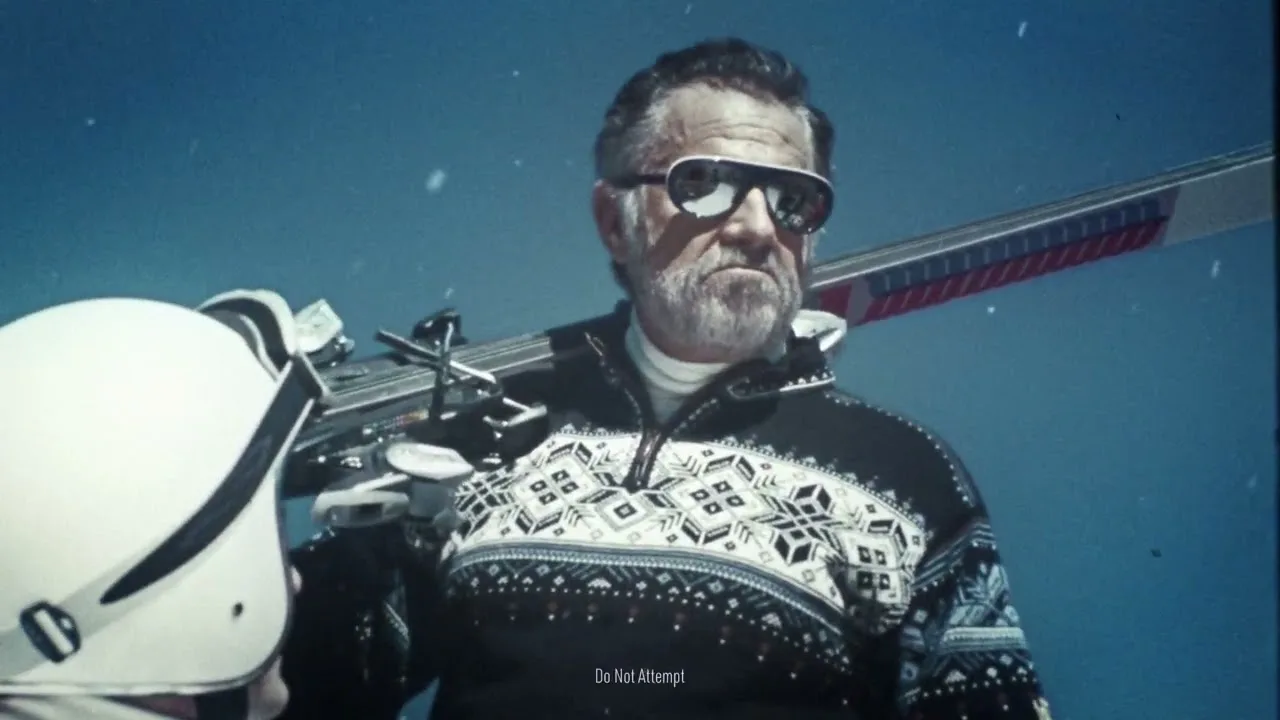
In November 2016, 18 percent of millennials said they would consider buying Dos Equis. Five weeks later that number was 8 percent.
Nothing went wrong with the beer. The recipe did not change, the price did not change, distribution did not change. What changed is that the marketing team replaced the guy in the ads.
Here is the part that should bother you. Over those same five weeks, ad awareness went up, from 21 percent to 31 percent, on YouGov's tracking. More people saw the advertising. Fewer people wanted the product. If you only watched your awareness numbers, you would have called that campaign a success while it was quietly costing you half your buyers.
The joke was never on the person watching
The campaign launched in 2006 out of Euro RSCG, built on a client insight the creative team reportedly hated. The insight was that young men are anxious about being interesting. That is an uncomfortable thing to write on a brief and a worse thing to say out loud in a room.
Most brands handle an insight like that by flattering you out of it. Buy the thing, become the man. Dos Equis did the opposite. They pushed the fantasy so far past plausible that admiring him became obviously absurd.
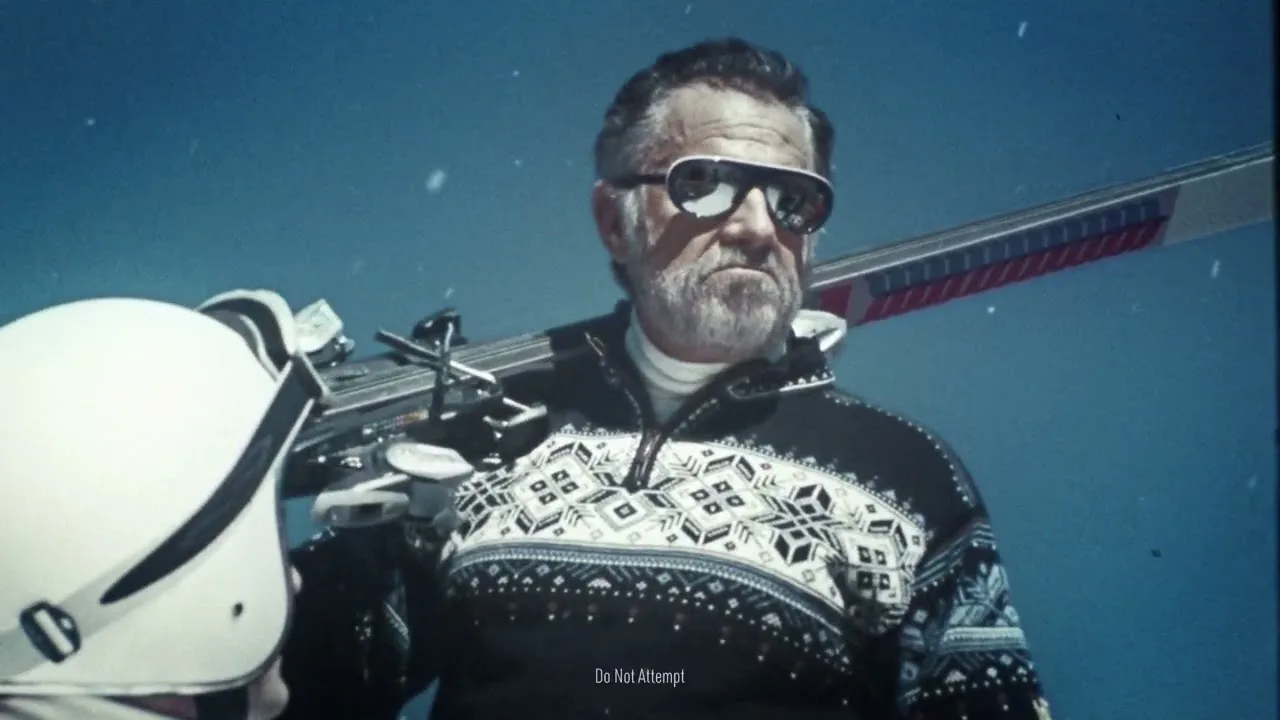
He lives vicariously, through himself.
Once, a rattlesnake bit him. After five days of excruciating pain, the snake died.
You are not being sold an identity there. You are being invited to laugh at the whole idea of buying one. The viewer is never the target. The idea of being impressive is the target. That distinction is the entire campaign, and it is the part almost everyone gets wrong when they try to copy the format.
A beer ad that admits you do not always drink beer
"I don't always drink beer. But when I do, I prefer Dos Equis."
Read that as positioning rather than as a catchphrase. A beer spokesman is conceding that beer is not a constant in his life. No category does this. Every other beer ad in 2006 was telling you beer was the center of your weekend.
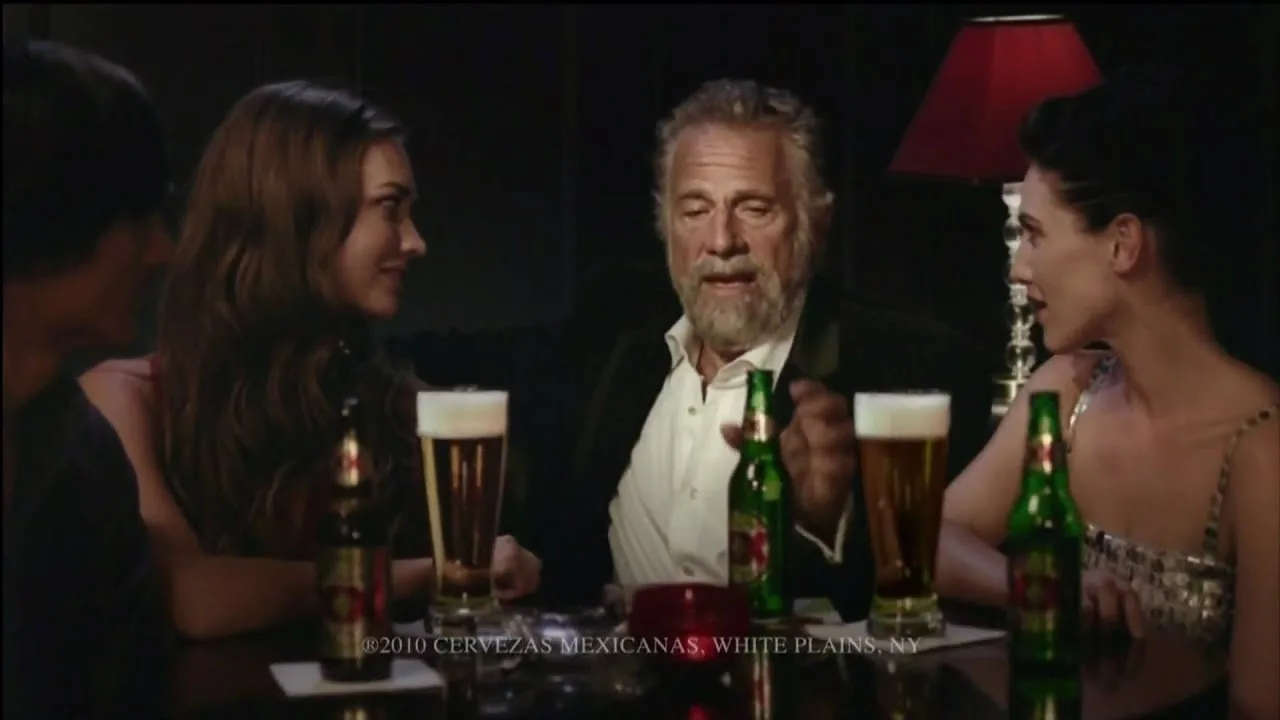
The concession is what makes it work. It reframes the purchase as a considered choice instead of a default habit, which is exactly the story a 25 year old trading up from domestic light wants to believe about himself. The low pressure is the pressure.
Your own copy probably oversells by comparison. Most does.
They cast a 68 year old so you would not feel threatened
Jonathan Goldsmith was 68 when the campaign launched. That was not a quirky choice, it was structural.
A 30 year old model doing impossible things is a man you are losing to. A 68 year old doing them is a man you might become. One creates resentment, the other creates affection, and only one of them makes you laugh.
The narration did the rest. Will Lyman, the voice of PBS Frontline, read the absurdity in exactly the register he uses for documentaries about arms trafficking. Nobody in the frame ever acknowledges the joke. That straightness is what lets it land.
The line was a template on purpose
"I don't always X, but when I do, Y."
That is a fill in the blank sentence, and people filled it in hundreds of thousands of times, for free, for years. The campaign shipped with its own meme engine built in, before anyone in marketing was putting the word meme in a deck.
Notice what is actually reusable there. Not the logo, not the product, not the tagline as a whole. A grammatical structure. If you want people to carry your campaign for you, give them a shape they can pour their own joke into. Most brands hand out a hashtag and wonder why nobody uses it.
There is an honest caveat and it matters. The meme outgrew the beer. Millions of those posts said nothing about Dos Equis at all. Excellent for awareness, considerably weaker for attribution, and if you are the person defending this budget in a meeting you should walk in knowing that.
What it did for the business
The reported numbers are strong. Sales up 22 percent in 2009 while other imports fell 4 percent. Roughly triple the business across the character's ten year run. A peak of 35.7 million cases shipped in 2015. Testing in the top 5 percent of every ad Millward Brown had measured.
Those four figures come from secondary coverage rather than from Heineken's own reporting, so treat them as reported rather than confirmed.
The number I did verify is the one that hurts, and it is in the first paragraph.
Then the marketing team got bored
In late 2016 Dos Equis recast the role with Augustin Legrand, an actor in his early forties. The stated reasoning was the usual reasoning. Reach a younger audience. Keep it fresh. Evolve the platform.
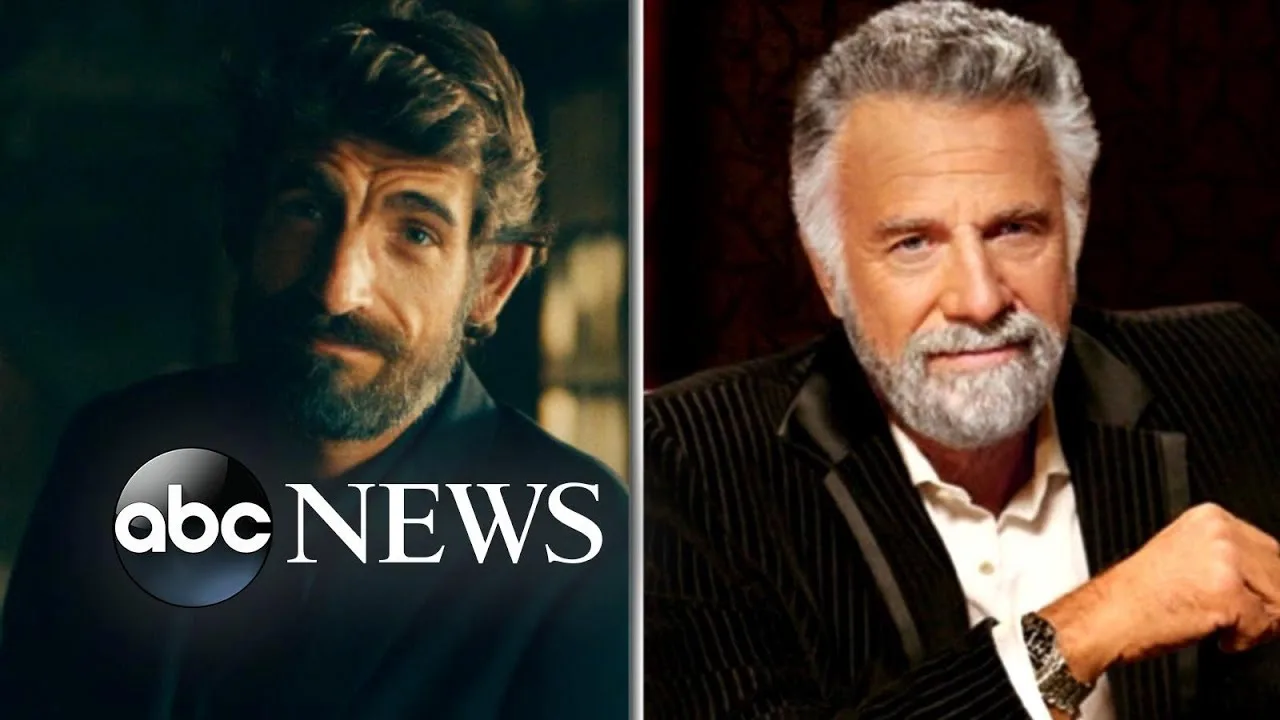
Consideration fell from 18 percent to 8 percent inside five weeks, its lowest level in nearly four years, and Adweek covered it as it happened. The replacement campaign was gone within two years.
The recast did not fail because the new actor was bad. It failed because the actor was the asset. Ten years of consistency had built the equity into one specific person, and the brand treated him as a costume anyone could wear.
Here is the uncomfortable version, and it applies to you and to us. You see your campaign every single day. You are sick of it roughly two years before your customer has properly registered that it exists. Boredom inside the building is not a signal from the market. It is a signal about the building.
Typical campaigns run two to three years. This one ran ten. That was not stubbornness. That was the return.
He came back in January
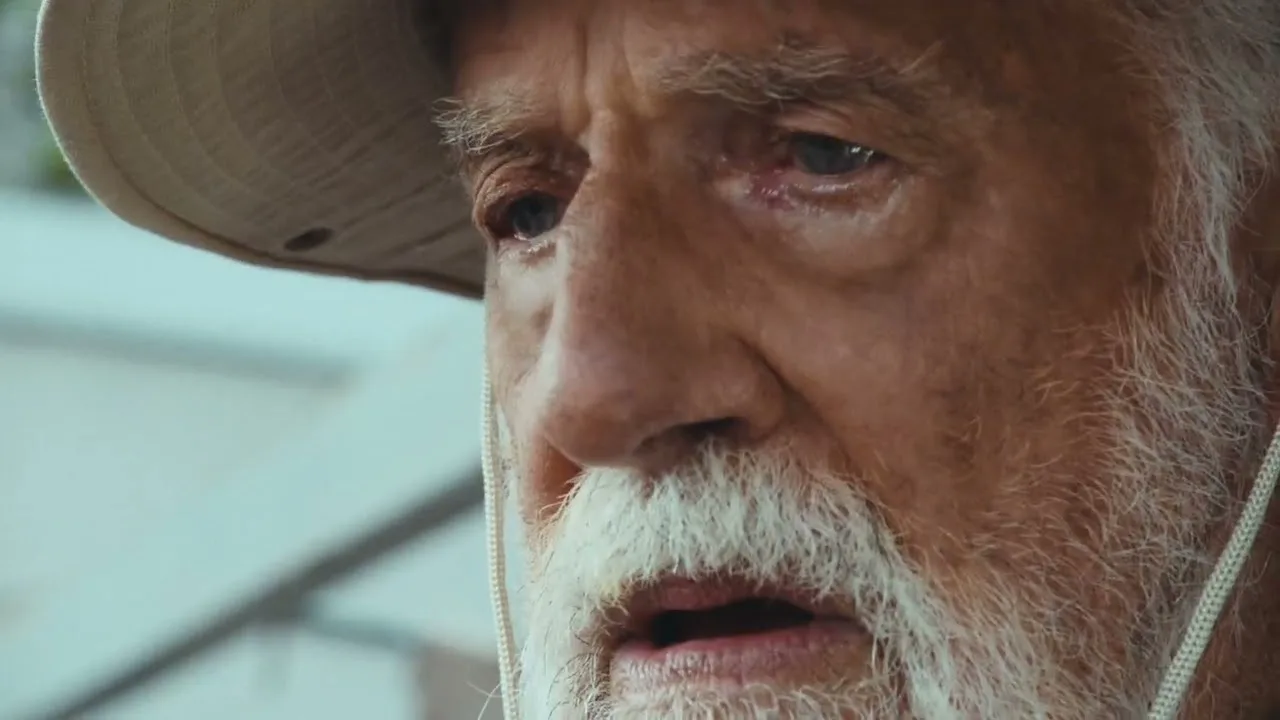
Dos Equis brought Goldsmith back in January 2026, launching in the college football title game broadcast. The setup is that he spent the missing decade in an amnesiac fog, ironing socks and picking lint out of a dryer, until he finds one bottle at the back of a fridge and it all comes flooding back.
That is a brand writing an apology into its own creative and making it funny.
It also tells you what the asset was worth. Ten years after the last good spot, and a decade of that character sitting unused, the most valuable thing Dos Equis owned was still a man in his eighties saying a sentence you already know the ending of.
What to actually take from this
Four things, and none of them are about beer.
Find the insecurity, then laugh with the audience instead of at them. The best briefs are uncomfortable. Build the joke on top of the discomfort rather than exploiting it, and exaggerate far enough past plausible that the fantasy stays safe to enjoy.
Concede something true. The tagline works because it admits a limitation nobody in the category would admit. Your prospect already knows you are not the answer to everything. Saying so first buys you credibility for the part where you are.
Write a line people can rewrite. Give them a structure, not a slogan.
When something works, stop improving it. This is the expensive one. If your campaign is performing and your team is tired of it, the correct move is to run it another year. Refresh the media, refresh the placements, leave the idea alone.
Whatever you are running right now that is working and boring you, that is the one to protect.