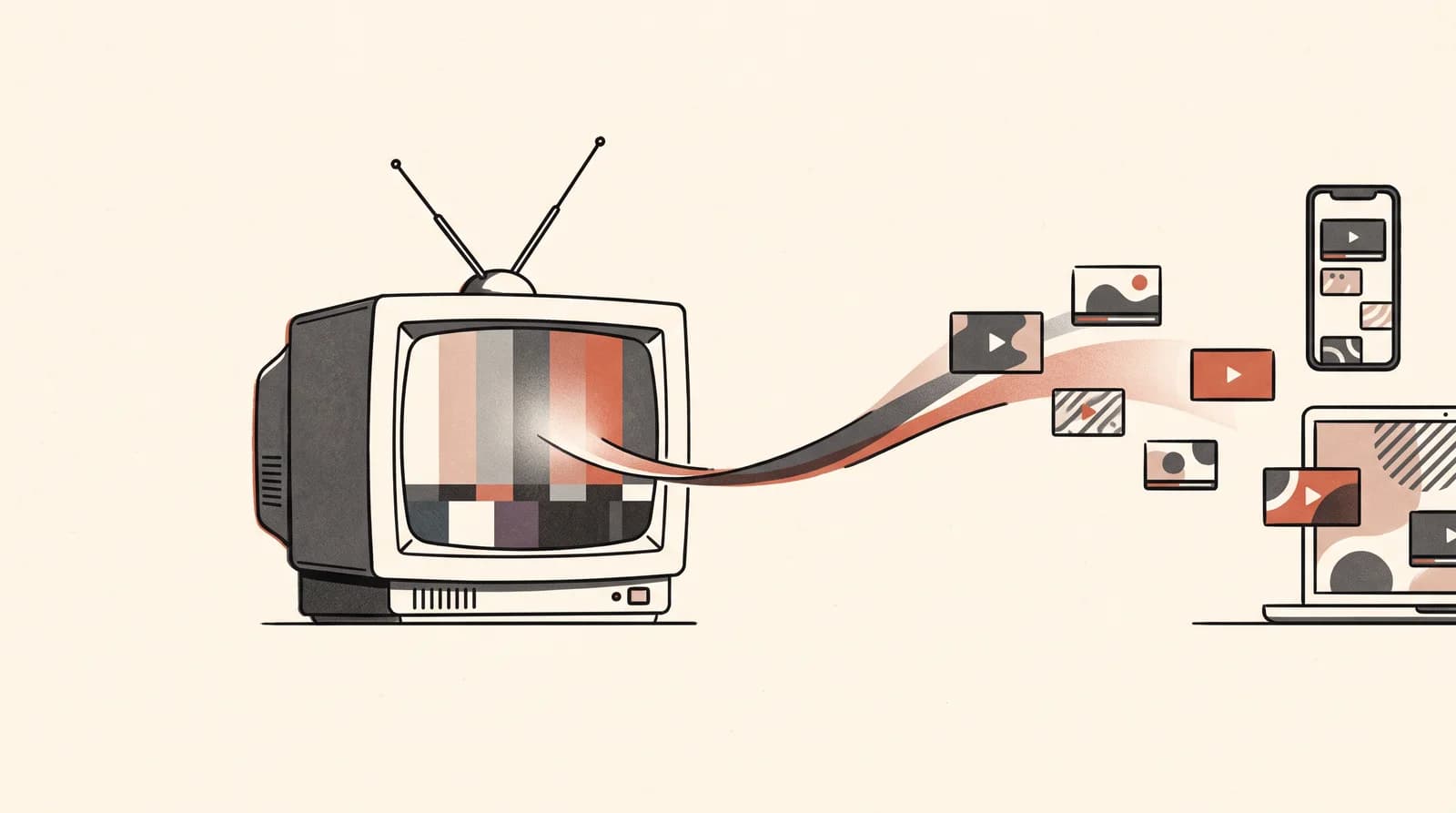
In 1993, if you wanted to watch Seinfeld, you watched the commercials. There was no skip button, no second screen worth looking at, no algorithm feeding you something else. Thirty million people sat through the same two minutes at the same time, and the only question was whether the work deserved the room it was given.
Most of it did not. Some of it was so good we are still quoting it thirty years later. And a few spots burned more money in ninety seconds than most businesses spend in a decade. The 90s commercial break was the greatest ad school ever made, because the receipts are all public now. We know what the good ones cost, what the bad ones cost, and what happened to the brands that ran them.
So let's go to class. Creative and brand, good ones and bad ones, with the budgets adjusted for inflation so the numbers actually mean something in 2026.
The good ones acted like they had to earn the room
Here is the part people forget. These brands had a captive audience. They could have coasted, and most advertisers did. The ones we remember behaved like the skip button already existed.
Whassup, Budweiser, 1999. This one did not start as an ad. It started as a short film called True, shot by director Charles Stone III with his actual childhood friends, doing a bit they had been doing on the phone for years. DDB saw it, bought it, and changed almost nothing. It hit Monday Night Football in December 1999 and became arguably the first ad campaign to go viral, back when going viral meant people emailing video files to each other at work. The lesson is brutal for anyone who equates budget with quality. The idea was already alive before a media dollar touched it. Budweiser did not manufacture culture. It recognized culture and paid for distribution.
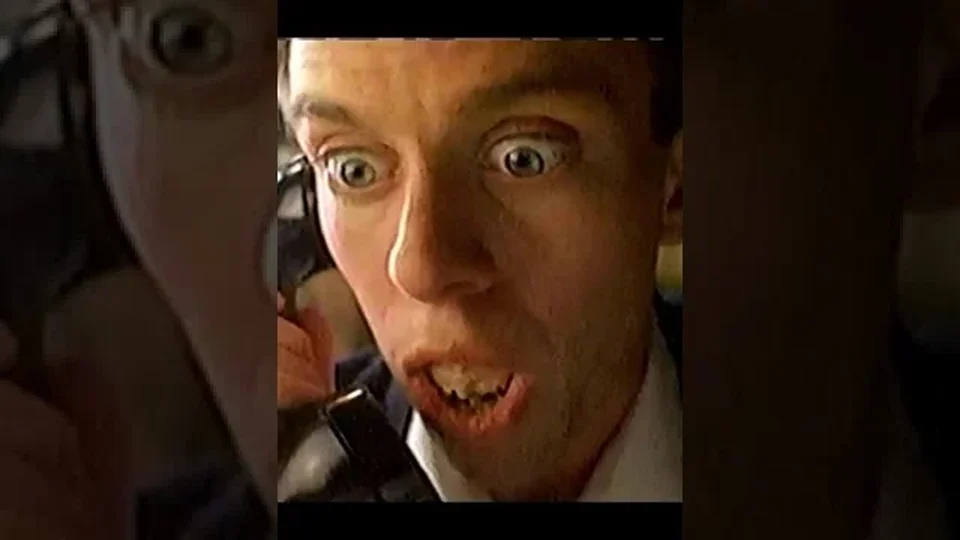
Aaron Burr, Got Milk?, 1993. A history nerd in an apartment shrined to Alexander Hamilton gets the radio call worth ten thousand dollars. The question is the one he was born to answer. His mouth is full of peanut butter and the milk carton is empty. Directed by a young Michael Bay, written by Goodby Silverstein for the California Milk Processor Board, and built on a strategy nobody had tried at that scale. Do not sell the product. Sell the horror of not having it. Milk consumption had been sliding for years, and the industry had been running happy people drinking milk the whole time. The fix was not more milk in the frame. It was less. That is a message decision, not a media decision, and it is why the tagline outlived the campaign by decades.
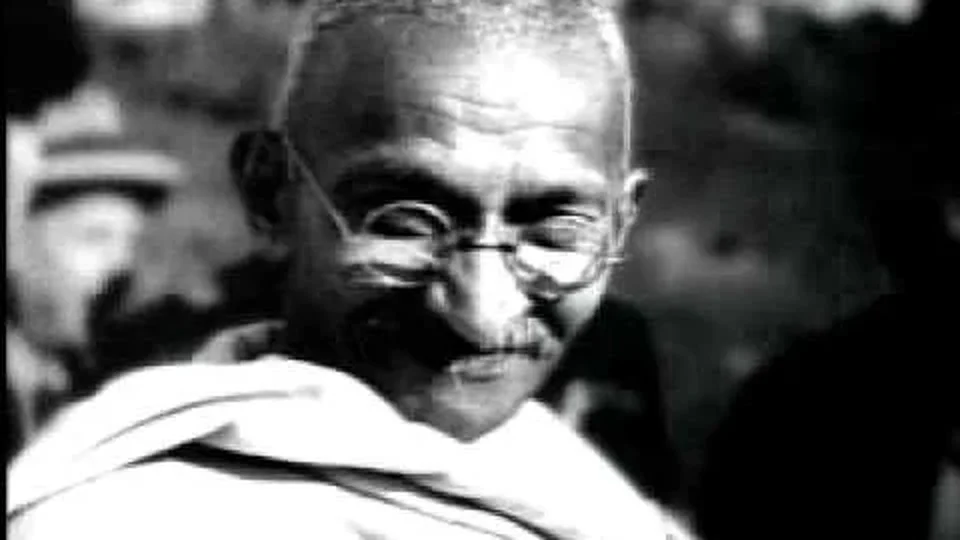
Here's to the Crazy Ones, Apple, 1997. When this aired, Apple was weeks from the grave. Jobs himself said the company was about ninety days from bankruptcy when he came back. So what did they ship? Sixty seconds of black and white footage of Einstein, Dylan, and Ali, narrated by Richard Dreyfuss, with no computer anywhere in the ad. A nearly broke company spent its scarcest dollars declaring what it believed instead of what it sold. Every brand strategist you will ever meet is quoting this spot whether they know it or not. The product line that justified the promise did not exist yet. The belief came first, and the belief is what people bought when the iMac showed up a year later.
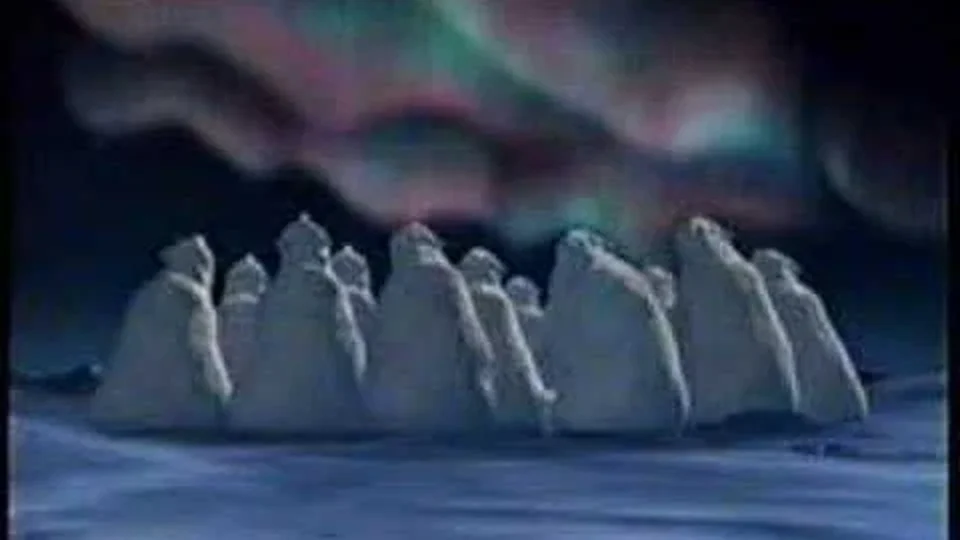
Northern Lights, Coca-Cola, 1993. The polar bears took the animation house Rhythm and Hues about twelve weeks to build, in an era when photoreal CGI on television barely existed. Expensive, slow, and worth every penny, because Coke was not selling taste or price. It was selling a feeling you could recognize with the sound off. More than three decades later the bears still show up every winter, which makes this one of the highest returning brand assets ever produced. When people talk about brand equity like it is an abstraction, show them the bears. Equity is just consistency that compounds.
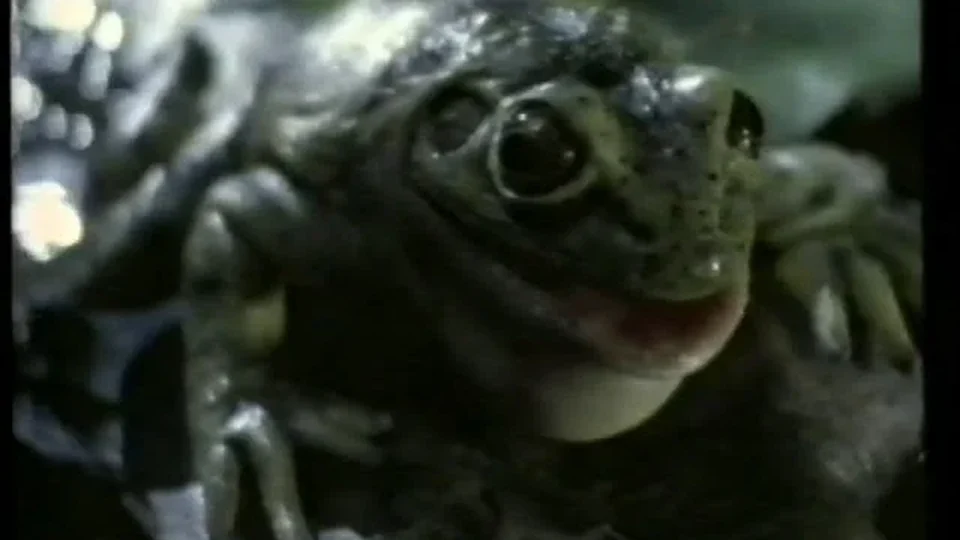
Bud. Weis. Er. Budweiser, 1995. Three animatronic frogs built by Stan Winston Studio, the shop behind the Terminator and Jurassic Park, directed by Gore Verbinski before he made Pirates of the Caribbean. The entire script is one word broken into three croaks. That is not lazy writing. That is writing with distribution built in, because a three syllable brand name chanted by frogs is repeatable by every human who saw it, at zero additional media cost. A study at the time found children recognized the frogs at higher rates than Smokey the Bear, which is both the triumph and the warning label. Make something that sticky and you own it forever, including the parts you did not intend.
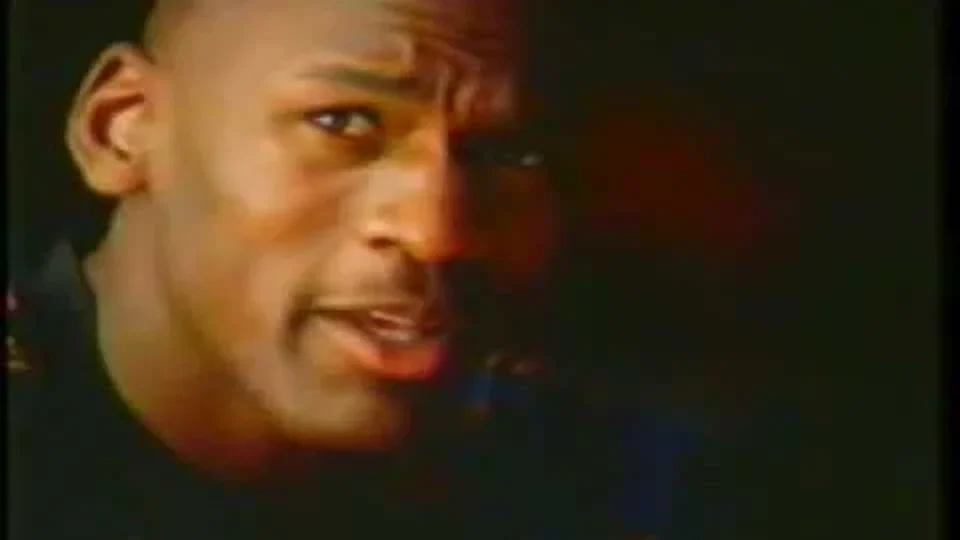
The Showdown, McDonald's, 1993. Jordan and Bird play HORSE for a Big Mac. Off the expressway, over the river, off the billboard, through the window, off the wall. Nothing but net. Notice what the prize is. The product is not set dressing. The product is the stakes, which means every escalating shot restates why you should care. Kids ran this script on playgrounds for a decade, and every free repetition was media McDonald's never had to buy.
The bad ones bought the room and then burned it down
Now the other half of the syllabus, because the failures teach the pricing of mistakes better than any case study deck.

Kenya Runner, Just for Feet, 1999. A shoe retailer spent about seven million dollars, call it thirteen and a half million in today's money, on its first Super Bowl. Around 1.7 million for the airtime, a reported three million to the agency, two million more on print support. The spot showed four white men in a Humvee hunting down a barefoot Kenyan runner, drugging him, and forcing shoes onto his feet. Every layer of review at the client and the agency watched that and said ship it. The fallout was immediate and deserved. Just for Feet sued its own agency for ten million dollars claiming ad malpractice, then collapsed into bankruptcy before the year ended. The ad did not cause the bankruptcy on its own, but it was the same disease in a different organ. Nobody in the building was asking the only question that matters. What does this say about us?
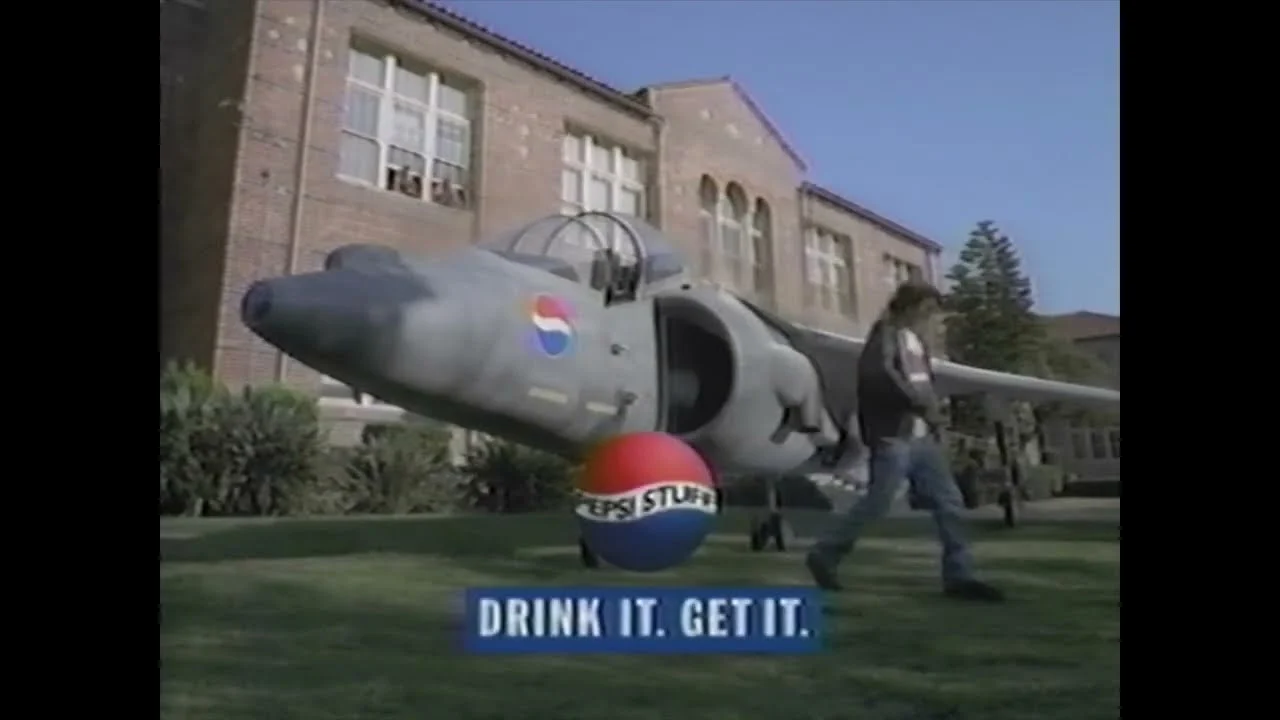
The Harrier Jet, Pepsi Stuff, 1996. The commercial listed rewards you could claim with Pepsi Points. A shirt, sunglasses, a leather jacket. Then, as a gag, a teenager lands a Harrier fighter jet at school. Seven million points. A business student named John Leonard read the fine print, found that points were purchasable at ten cents each, and mailed Pepsi a check for exactly 700,008 dollars and 50 cents. Pepsi refused, Leonard sued, and the case became Leonard versus Pepsico, which now teaches contract law to every first year law student in America. Pepsi quietly re-cut the ad to seven hundred million points and added the words just kidding. The creative was funny. The message was imprecise. And an imprecise message, delivered to enough people, will eventually find the one person who takes you exactly at your word.
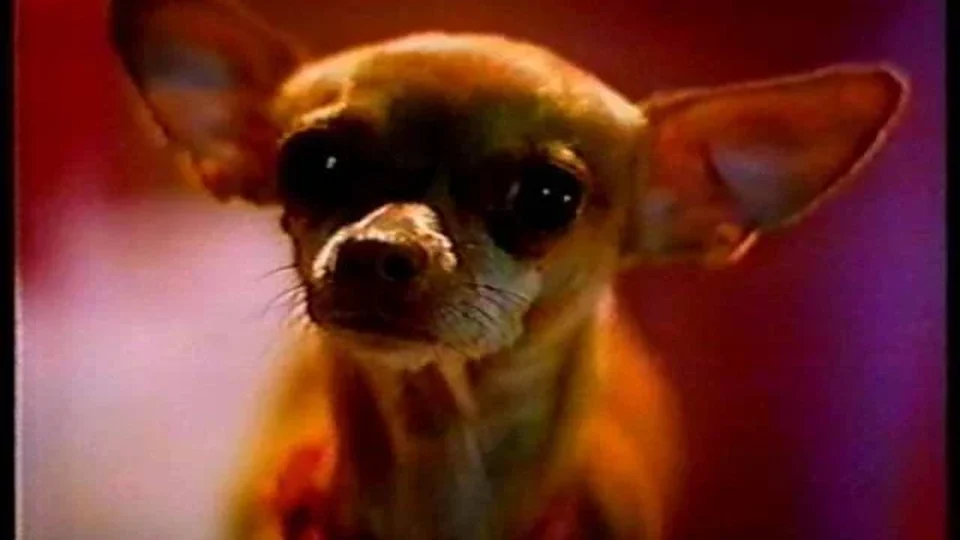
Yo Quiero Taco Bell, 1997. This is the expensive one, and the complicated one. The chihuahua fronted a reported two hundred million dollar campaign, inside roughly half a billion of 90s ad spend, which lands near a billion in today's dollars. And it worked, if the job was fame. Toys in every store, a catchphrase in every hallway, a dog with better name recognition than most senators. Then the receipts came in. Same store sales fell six percent in one quarter of 2000, the worst drop in company history, and the campaign was dead by July. Critics had also spent three years pointing out the ad leaned on a stereotype, which the fame kept drowning out. Taco Bell later lost a 42 million dollar judgment, about 75 million adjusted, to the two men who had pitched the character and never got paid. Add it up. The most famous mascot of the decade made people love the dog and forget the food. Fame is not the objective. Fame is a multiplier on whatever your message actually says, including when it says nothing.
What the money bought then and what it buys now
Here is the inflation math on the delivery side, because the creative lessons only mean something next to the media bill. A thirty second Super Bowl slot cost about 850,000 dollars in 1993, which is roughly 1.9 million in today's money. By 1995 it was 1.15 million, call it 2.4 adjusted. By 1999, 1.6 million, about 3.1 adjusted. This year advertisers paid around eight million for the same thirty seconds. Even after inflation, the price of the room has roughly quadrupled since Jordan and Bird played HORSE, while the audience inside that room went from undivided to holding a phone.
Read that again. The delivery got four times more expensive in real dollars, and the attention it delivers got thinner. The only variable that got cheaper is the one the 90s greats maxed out. The idea. Whassup was a short film made among friends for basically nothing. The frogs were one word. The strategy behind Got Milk was subtraction. The most valuable line items of the decade barely show up on an invoice.
Then the audience got a skip button
You know this part. TiVo in 1999, YouTube and its five second fuse in 2005, then a decade of paying Netflix to delete the commercial break entirely. The only line worth adding is what it did to people. An entire generation formed the reflex of leaving the second an ad failed to earn its next two seconds.
Advertising's response was mostly to chase the audience with targeting. Right person, right time, right placement. Delivery became a science, and an honest one. But somewhere in there a lot of brands quietly decided delivery could replace message, that enough precision would compensate for having nothing to say. The 90s already ran that experiment with a captive audience and better odds. Just for Feet had perfect delivery. Thirty million people, undivided attention, no skip button. Delivery executed flawlessly on a message that should never have shipped.
New streaming is 90s television wearing a hoodie
Now look at where the money is going in 2026. Netflix, Prime Video, Hulu, and Disney all run ad supported tiers. Tubi, Roku, and Pluto built entire businesses on free television with commercial breaks. The industry calls it CTV and FAST, but stand back and squint. It is a living room, a big screen, and an unskippable thirty second spot. The 90s commercial break got rebuilt inside the apps that were supposed to kill it.
Two things changed, and they change everything about how you should spend. First, delivery is now addressable. You are not buying everyone watching Seinfeld. You are buying households that match your customer, with frequency caps and measurement the 1993 media buyer would have traded a limb for. A regional business can afford the living room now. The 850,000 dollar door charge is gone.
Second, and this is the part that should keep you honest, the skip reflex came back into the room with the audience. They cannot skip your spot on Tubi, but they are holding the phone that trained them. You get the reach of 1993 with the patience of 2026. Which means the creative bar is not lower on streaming. It is higher, because the message has to beat a competing screen the viewer is already touching.
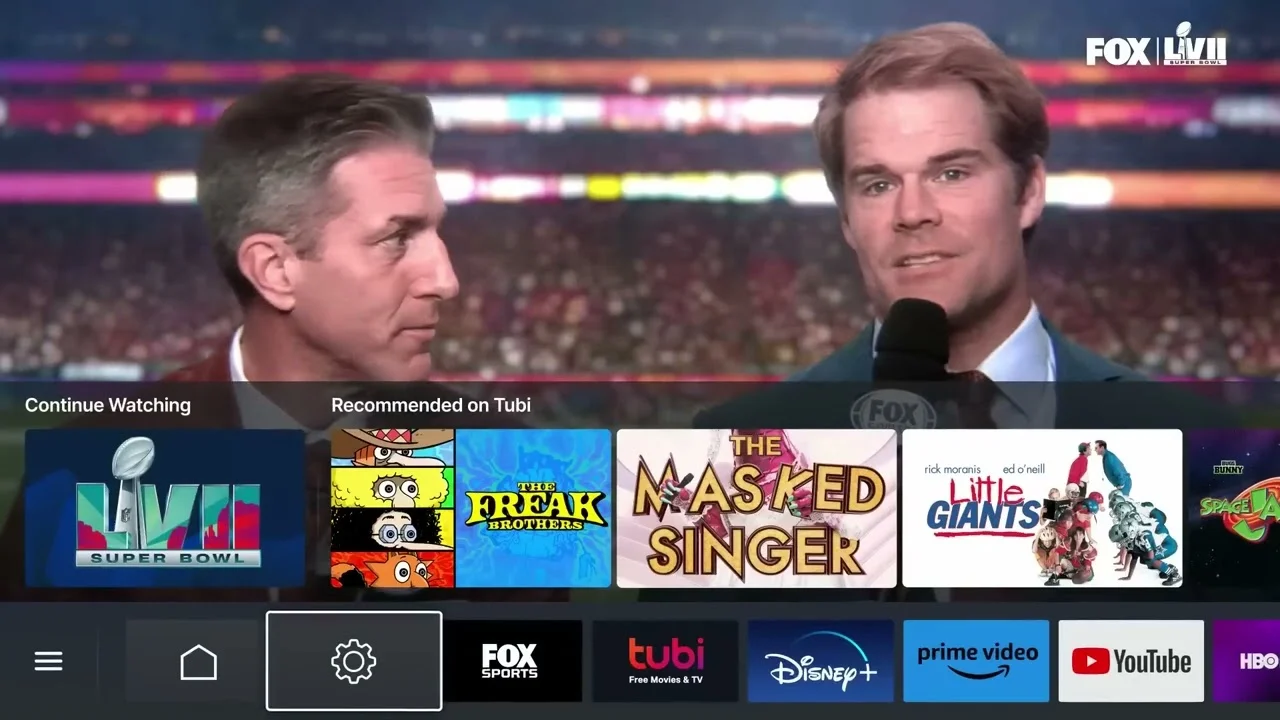
And before you file all this under nostalgia, the formula still works on the new rooms. In 2023 Tubi bought fifteen seconds in a game where thirty cost about seven million, and spent it convincing America that somebody was sitting on the remote. The broadcast seemed to cut away, the Tubi home screen popped up, and half the country lunged for the coffee table. No celebrity. No anthem. One precise message, this streaming service is already in your living room, delivered as a prank on the delivery system itself. People talked about it for weeks, the way people once hollered Whassup into their phones. The frogs would be proud.
So the two halves finally have clean jobs. Delivery decides who is in the room. Message decides whether anyone in the room remembers you were there. The 90s proved which half compounds. Nobody is quoting a media plan from 1999. They are quoting the frogs.
The skip button never killed the thirty second spot
It killed the bad ones. The good ones moved into new rooms and kept working, because a clear message wrapped in real craft has survived every delivery technology since the jingle. If you are putting dollars into streaming this year, spend them like a 90s great and not like a 90s budget. Know exactly what the work says about you before you pay anyone to say it louder.
WWC has been building brands since 1996, which means we watched all of this happen in real time, and we still make television, now for every screen it lives on. If your ad budget is about to meet the new commercial break, make sure the message deserves the room. The room is finally affordable. The attention still is not free.