Houston, Austin, Dallas-Fort Worth
Search, YouTube, streaming TV, programmatic, cable, radio and outdoor, planned as one and bought with one budget that moves toward whatever is working. WWC has been buying media for more than two decades. The screens changed. The discipline did not.
Why one plan
Streaming is now 49 percent of all TV viewing in the US, and YouTube alone is 14.2 percent, the largest share of any media company, according to Nielsen's July 2026 Gauge (opens in a new tab). Your customers still watch the news and still drive to work with the radio on. They just do it across more screens than any one vendor sells.
Most plans still treat those screens as separate jobs. Search sits with one vendor, streaming with another, cable with the cable company's rep, radio with the station. Each one reports its own wins, and nobody looks at the same household from all four directions.
WWC plans it as one buy. Search, YouTube, YouTube TV, streaming, programmatic, cable, broadcast, radio, outdoor and print share one audience, one budget and one report. When a channel works, it gets more money. When it stops working, it gets less. That is the whole job.
We have bought media for more than two decades, through every one of these shifts: cable going addressable, TV going streaming, search sharing the page with AI answers. The screens keep changing. The discipline does not.
How it works together
A normal Tuesday for one Houston household. Radio on the drive in, a billboard on the freeway, a search at lunch, YouTube in the afternoon, local news on YouTube TV at six, a streaming show at eight thirty. Then a visit to your site.
Bought separately, that is seven invoices, seven reports and seven vendors taking credit for the same sale. Bought as one plan, each touch has a job. Radio and outdoor make the name familiar. Streaming and cable put it on the biggest screen in the house. Search catches the people who go looking.
And the visit gets traced. On streaming and connected TV, we match site visits to the households that saw the spot, so the report shows which networks and which neighborhoods actually moved people, not just how many impressions ran.
The channels
Each channel has its own page with the platforms, the targeting and the questions buyers ask us most.
The receipts
14.2%
of US TV viewing is YouTube, the largest share of any media company
$26.6B
in US connected TV ad spend projected for 2025, up from $23.6 billion in 2024
87%
of US adults still hear AM/FM radio every week
Source: Katz Radio Group, Nielsen data, Q1 2026 (opens in a new tab)
Streaming is growing. Radio is not dead. Out-of-home advertising just had a record year (opens in a new tab). The money belongs wherever your customers actually are, which is why the plan comes before the buy.
The work
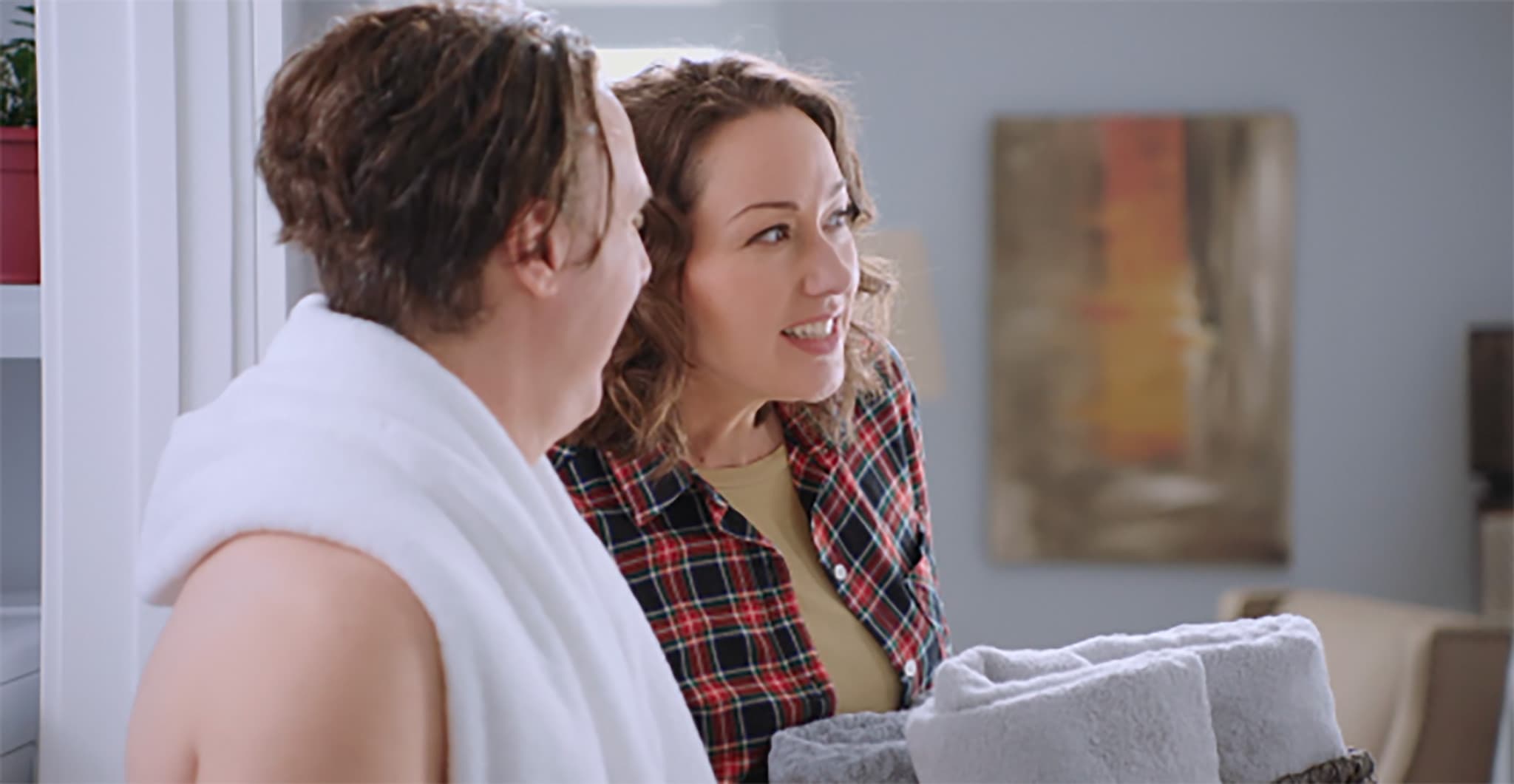
Spots and campaigns we have made for Texas brands. Sun & Ski ran WWC's work across television, outdoor, regional print, ROP (run of press) newspaper, direct mail and digital, and the case study reports a 25.7 to 1 ROI and $5.1 million in matched sales.


The markets
Three of the biggest TV markets in Texas and two different cable systems. We plan each one on its own terms.
The process
Plan
We start with the customer, the market and the math. Who buys, where they live, what a customer is worth, and what the budget has to return. Then we choose the channels that reach those people for the least money, and say no to the ones that cannot.
- Audience and geography
- Channel mix and budget
- Flight dates and frequency
- Creative for every format
Buy
We negotiate and place every buy. Search and YouTube through Google, streaming and programmatic through demand-side platforms, cable through Comcast Advertising or Spectrum Reach, and broadcast, radio and outdoor with the stations and vendors.
- Negotiated rates
- Verified delivery
- Brand safety controls
- One schedule
Measure and Move
Every channel reports into one view, next to the calls, forms and sales it produced. Streaming visits are matched to the households that saw the spot. Money moves toward what is working as the results come in, not at the end of the quarter.
- One report
- Household-level streaming results
- Budget shifts mid-flight
- Plain-English recaps
What is the difference between media planning and media buying?
Planning decides who you need to reach, where, how often and with how much money. Buying is negotiating and placing the spots, clicks and impressions the plan calls for, then moving money as results come in. WWC does both, so the people who wrote the plan are the ones accountable for it.
What does a media buying agency actually do?
It turns a budget into placements that reach the right people at the right price. That means choosing channels, negotiating rates, placing the buys, checking that they ran and reporting what they did. A good one also tells you where not to spend.
How much budget does a media plan need?
It depends on the market and the channels. Search and YouTube can start small. Streaming TV can run by ZIP code at modest budgets. Broadcast and cable need more to build enough frequency to matter. We size the plan to the goal, and if a budget is too small for a channel to work, we say so before you spend it.
How do we see what goes to media and what goes to WWC?
Every plan lists media, production and management as separate lines before anything runs. You approve the plan, the buys go out, and the report shows what each line delivered.
How do you measure TV and streaming?
Streaming and connected TV report impressions, completion rates, reach and frequency, plus site visits matched to the households that saw the ad. Cable and broadcast report delivered spots against the schedule. We put it all in one report next to calls, forms and sales, so every channel is judged on the same terms.
Is traditional media still worth buying?
Often, yes. AM/FM radio still reaches 87 percent of US adults every week, according to Katz Radio Group's read of Nielsen data (opens in a new tab), and out-of-home revenue hit a record $9.46 billion in 2025. The question is never old versus new. It is which mix reaches your customers for the least money, and that answer changes by market.
Can WWC make the commercials too?
Yes. We write, shoot and edit TV and streaming spots, cut them for every length and platform, and build the search, YouTube and display ads to match, so the message and the media plan are made together.
Do you only buy media in Houston?
Houston is home, and we plan and buy across Texas, including Austin and Dallas-Fort Worth, plus regional and national flights when the audience calls for it.
Tell us the market, the goal and roughly what you spend now. We will come back with a plan that shows where every dollar goes and why.